140 degrees and up
Scale forms faster once a boiler runs this hot. A technician can check your setting and tell you if it's higher than the heat exchanger needs.
Skip calling around
Banging from your boiler usually means a buildup of scale or sediment inside, or air trapped where water should be. This page covers why it happens and what a boiler technician checks first. Skip the search for someone who works on boilers, the calls to get a straight answer, and the back and forth explaining the noise more than once.
Skip the callsA banging or knocking sound from your boiler is almost always kettling. Sediment or scale builds up on the heat exchanger, and water trapped under that layer boils into steam pockets before the rest of the water around it heats up. Those pockets collapse with a bang you can hear through the house. It happens more in a boiler that's been running a long time without the heat exchanger being cleaned, since mineral deposits settle in slowly with every heating cycle. Air trapped in the system can cause a similar knock, usually lighter and more of a gurgle, as it moves through pipes and the pump. Neither is something to leave alone. Kettling means part of the heat exchanger is working harder than it should, and over time that strain can crack it. A boiler technician can tell the two apart quickly by where the noise happens in the cycle and what the pressure gauge shows.
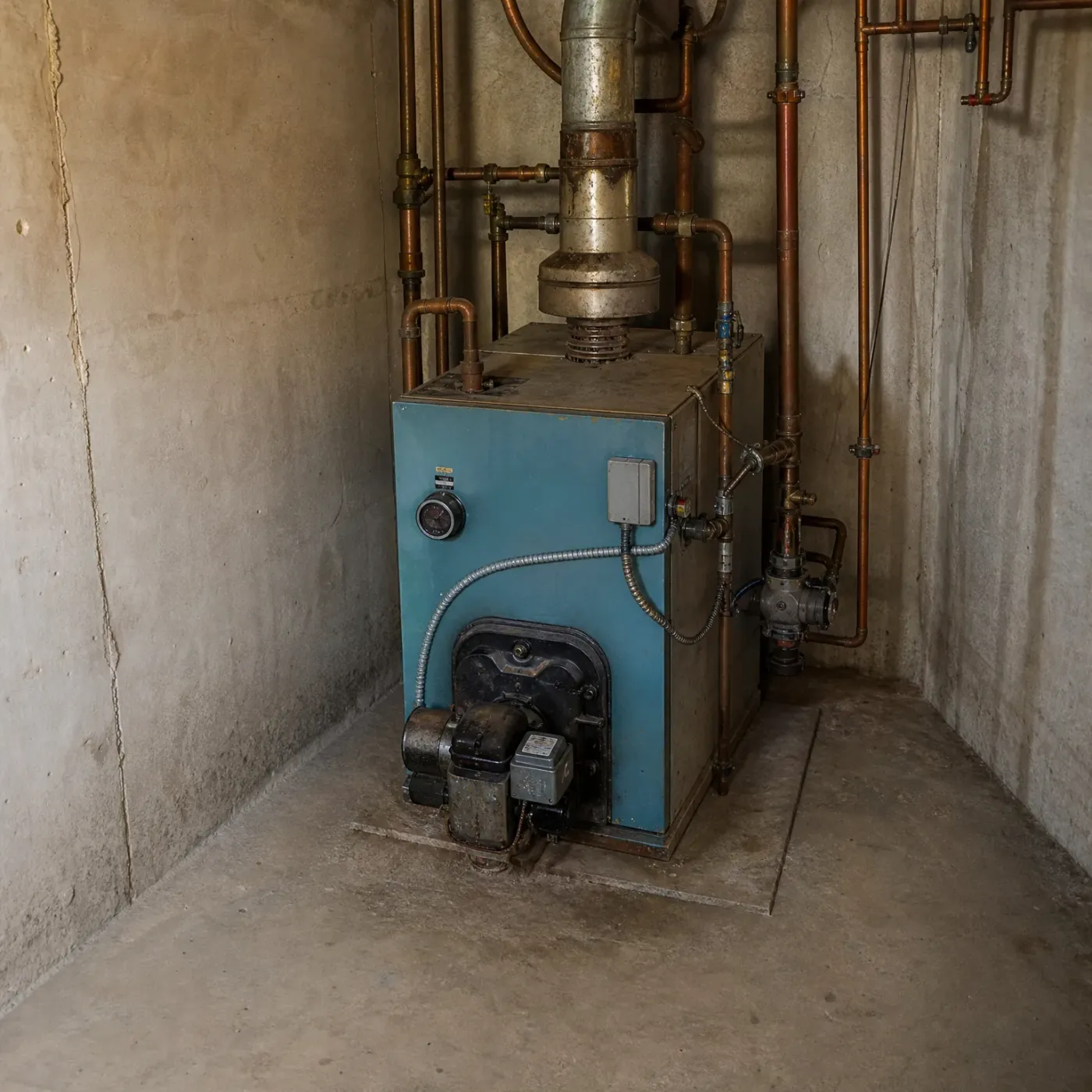
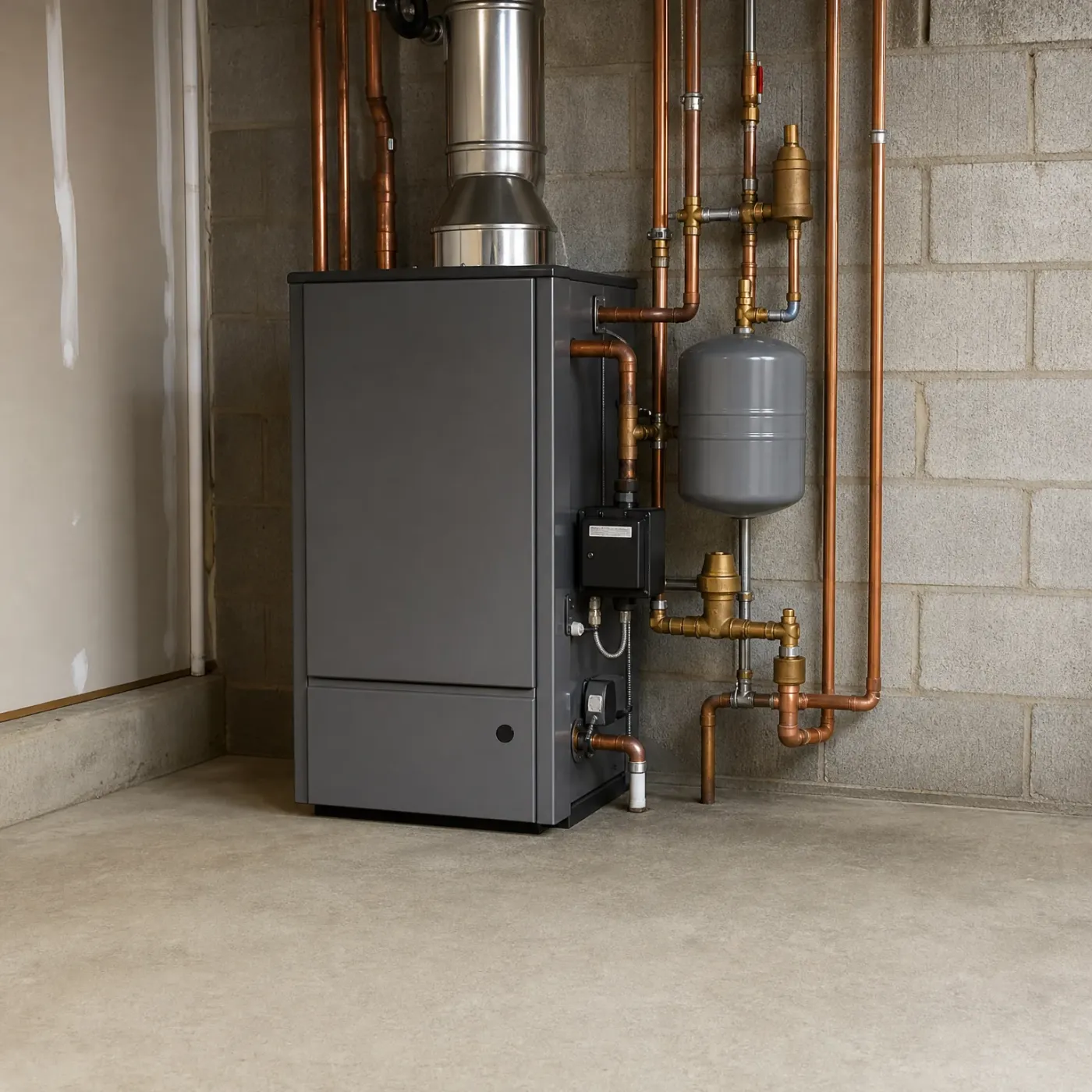
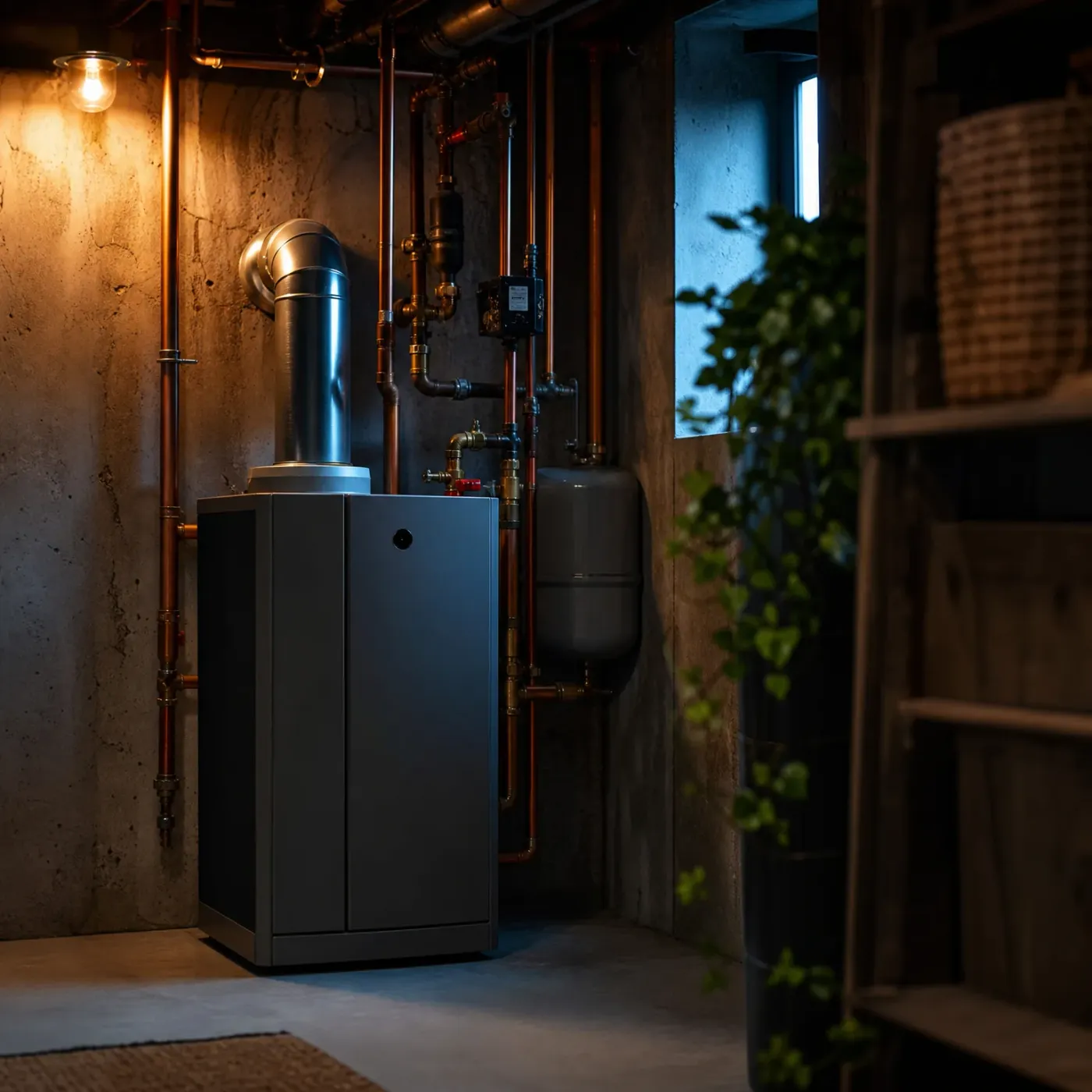
You probably hear it most when the boiler first fires, a knock or bang from down near the heat exchanger that fades as the system runs. Some homes get a rattle that follows the pipes toward the radiators. It tends to get louder over time, not quieter, because the scale layer causing it doesn't wear away on its own. Left alone, the heat exchanger is working harder to push heat through that buildup, and the metal underneath it is taking the stress of those steam pockets collapsing again and again. That's the part worth paying attention to. The noise is the warning. What it's warning about is damage to the heat exchanger itself.
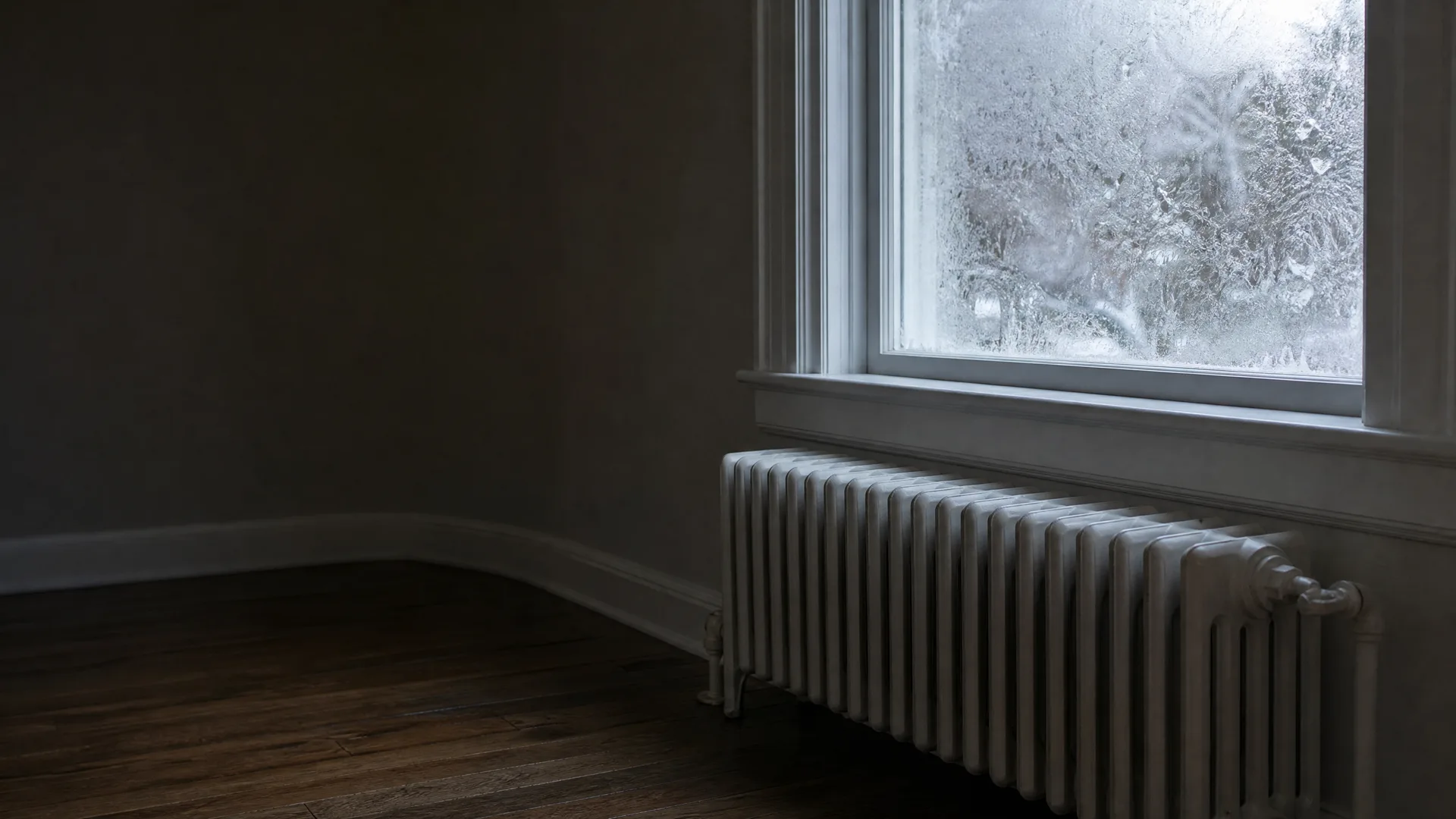
Cold snap in January, and the house has been quiet since six. You're in the living room with the heat ticking on, and the boiler starts up two floors down. The bang comes before the room warms, a hard knock that travels up through the floor. You wait for it to settle the way it usually does. It doesn't, not for a few minutes, and you catch yourself listening for it instead of reading. Outside, the morning is clear and cold for here, frost on the car windshield, the kind of California morning that makes the gas bill worse before anyone's even dressed. You make a note to call someone who actually knows boilers, not just furnaces, before it gets louder.
A boiler that bangs every time it fires is working around a problem, not past it. Scale on the heat exchanger doesn't clear on its own, and left alone it tends to get worse, which means more fuel to heat the same water and more strain on a part that's expensive to replace outright. Finding someone to look at it usually means searching, calling a few shops, describing the noise over and over, then weighing quotes that don't quite match up. This puts that in front of a local boiler technician instead, someone who hears this exact bang on service calls every winter and knows what descaling or a flush usually turns up before they even open the panel. One contractor gets your request, not five, so you're not fielding a string of calls about a noise you already described once. From there it's a straightforward look at what's built up inside your system and what it takes to quiet it down.




Scale forms faster once a boiler runs this hot. A technician can check your setting and tell you if it's higher than the heat exchanger needs.
Descaling or flushing the exchanger is what clears kettling. A boiler technician who works on these every winter knows which one your unit needs.
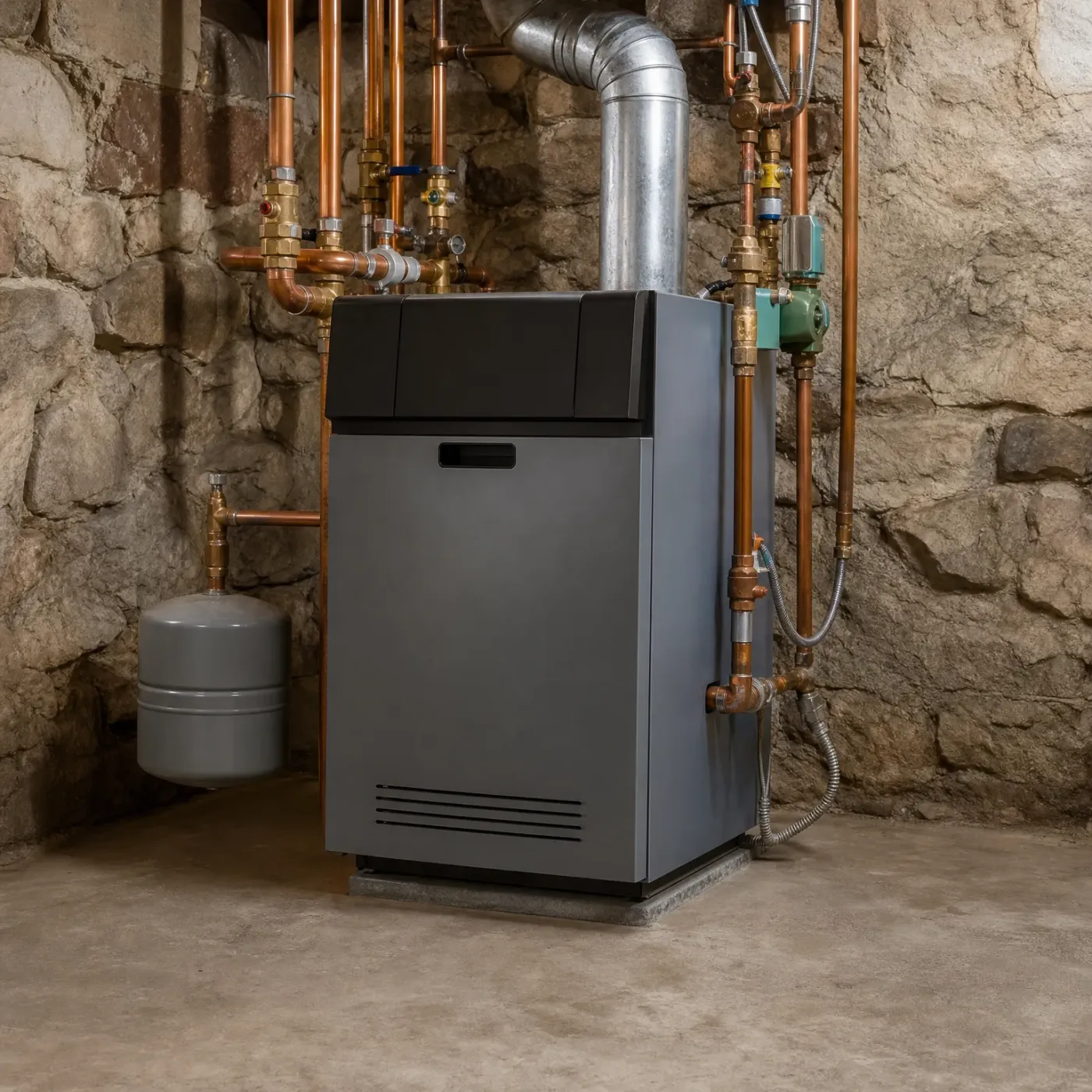
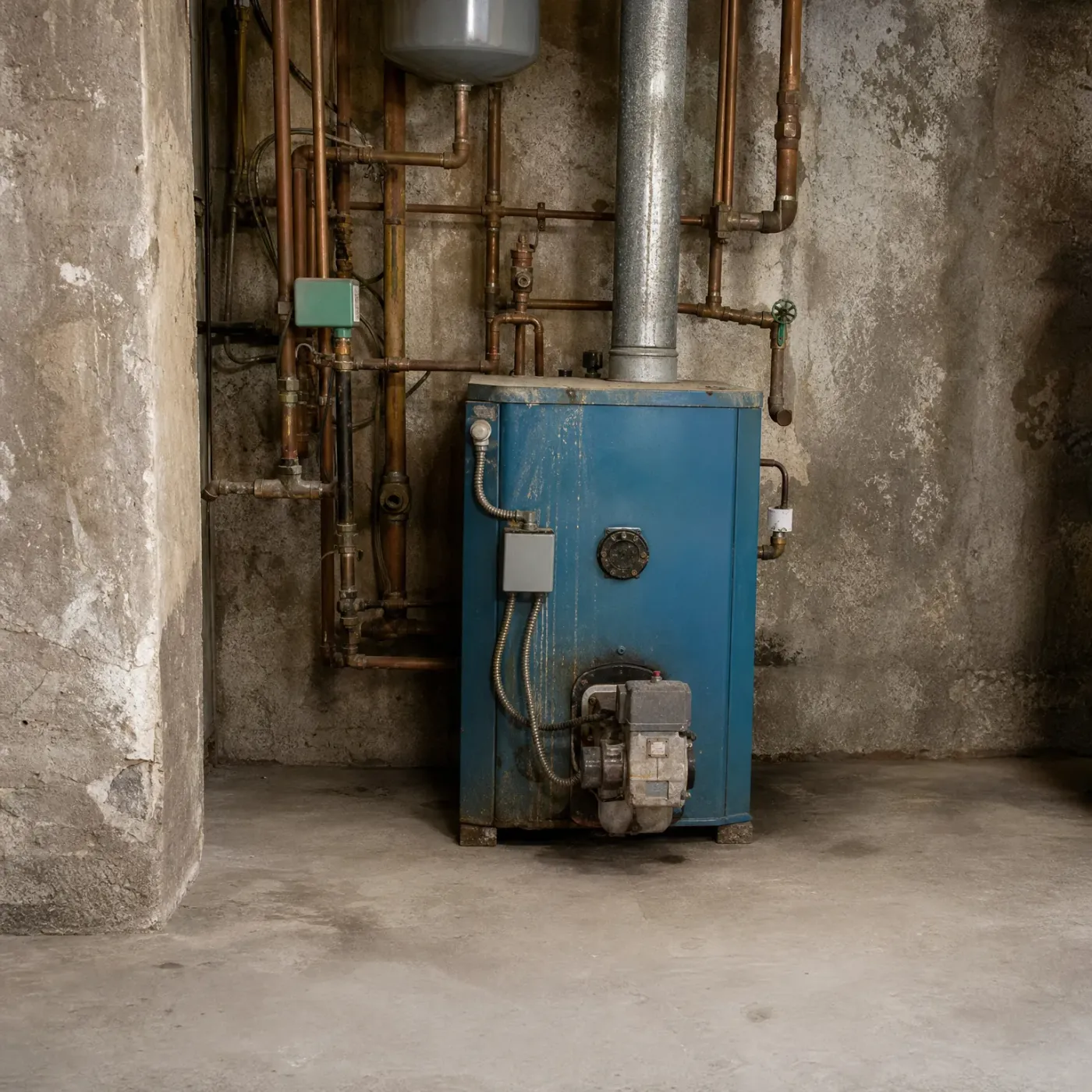


Those nights near 40°F mean your boiler is firing often and running hard to keep the house warm. Scale on the heat exchanger has more chances to heat up and bang, since the burner is working through most of the night, not just a cold snap here and there.
NOAA nClimDiv 1991-2020 county normals weighted by homes

The bang you're hearing is scale on the heat exchanger, trapping water that turns to steam before the rest heats through. A technician clears it by descaling or flushing the exchanger, and checking why the scale built up in the first place, whether that's water hardness or a thermostat set too high. Once it's cleared, the boiler heats water straight through instead of boiling it underneath a layer that keeps thickening.
You don't need to screen a handful of plumbing companies to find one that knows boilers specifically, or explain the banging over the phone three or four times while you compare quotes. A licensed local contractor who services boilers through the winter has probably heard this exact noise in a dozen other houses nearby. You get matched with one contractor, not a pile of callbacks from companies competing for the job, and that one technician already knows what to check first when they arrive.

Only one pro gets your request, so you hear from one company.